

The System That Cannot Make Disciples
How Tradition, Denominations, and Pastoral Bias Hijacked the Bible in Plain Sight

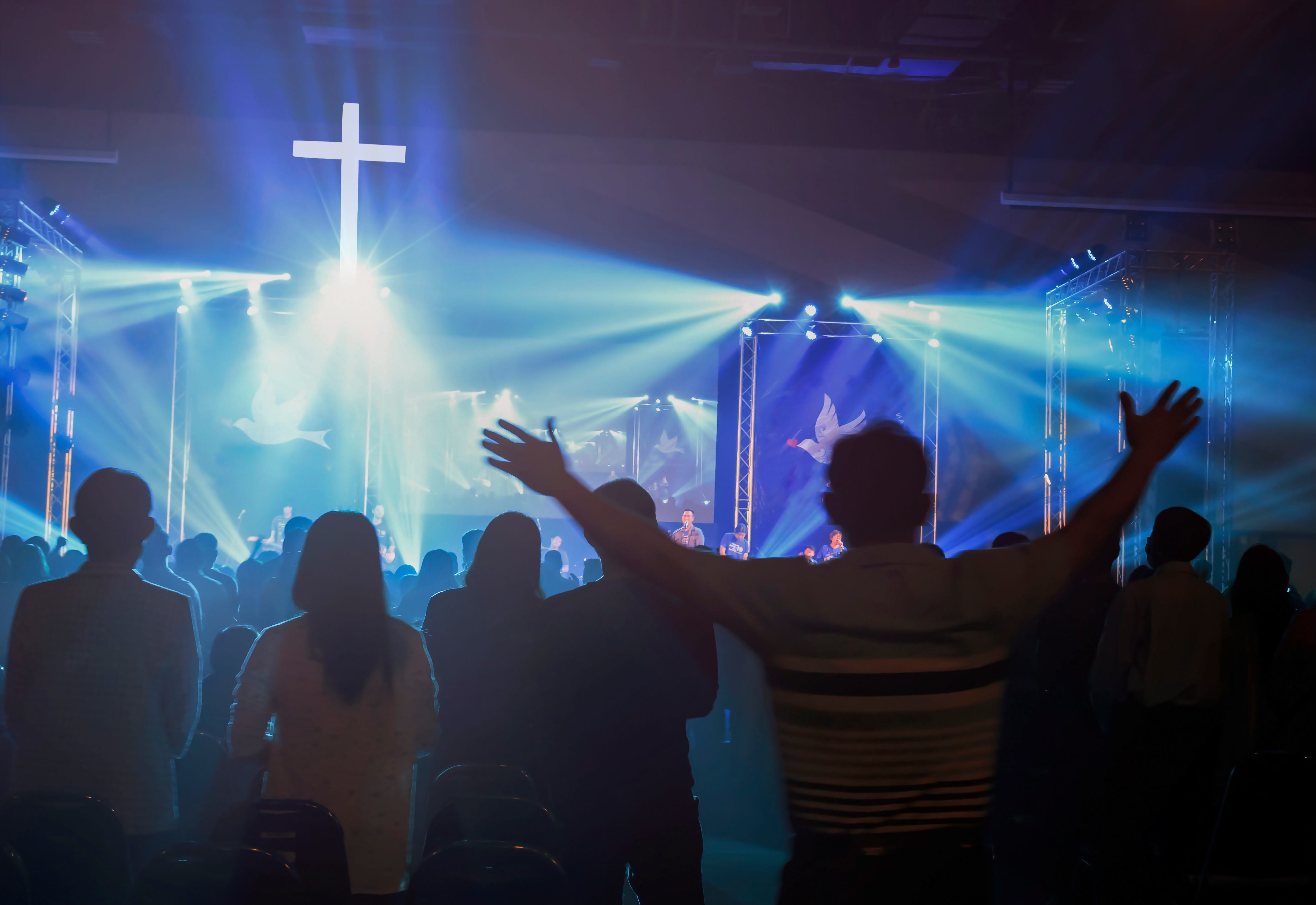
The modern church teaches believers to mistake information for knowledge — and most never notice the switch.
Information is clean, organized, and harmless. It fills a sermon slot, soothes the conscience, and reinforces whatever theological structure already exists. It never disrupts the system that produces it.
Knowledge, though?
Knowledge cuts.
Knowledge convicts.
Knowledge reshapes the inner world of a disciple the way water reshapes stone.
Biblically, knowledge is not accumulation; it is covenantal transformation.
“For the LORD gives wisdom; from His mouth come knowledge and understanding” (Prov. 2:6).
Knowledge is not something you collect — it is something that forms you.
But the Christianity we inherited trains people to consume information rather than to encounter God. And that quiet exchange — depth for digestibility — explains why spiritual infancy remains the norm.
Information Creates Audiences. Knowledge Creates Disciples.
The modern pulpit rarely traffics in the weight Scripture requires. Instead, it packages familiar verses into palatable outlines, polished series, and predictable applications.
This is why believers can recite doctrine yet cannot interpret Scripture.
They’ve been taught conclusions — not how to reach them.
2 Timothy 3:16–17 insists the Word equips a person thoroughly, not sparingly.
A steady diet of information cannot do that. Discipleship requires immersion, meditation, grappling, and obedience — not passive listening.
The tragedy is simple: churches are full of people who love the Bible but were never taught how to study it.
When the Pastor’s Bias Becomes the Congregation’s Worldview
Human bias is unavoidable. But the modern church model amplifies it until one man’s perspective becomes the interpretive center of an entire community.
Without realizing it, congregations begin reading Scripture through the pastor instead of reading Scripture itself.
Proverbs 3:5–6 confronts this misplaced trust:
Lean not on your own understanding — nor the inherited understanding passed down through your denomination, your mentors, or your tradition.
Paul goes further:
“Take every thought captive to obey Messiah” (2 Cor. 10:5).

Not your pastor’s thoughts.
Not your system’s thoughts.
Yours.
When the pastor’s bias becomes the congregation’s theology, discipleship collapses into indoctrination.
When Tradition Becomes the Real Teacher
Yeshua’s critique was unwavering:
“Why do you break the command of God for the sake of your tradition?” (Matt. 15:3).
Tradition is not the enemy.
But unexamined tradition — tradition that becomes unchallengeable — is.
Much of modern Christianity is shaped not by the Scriptures themselves but by the scaffolding built around them. Believers inherit theological systems and defend them with more passion than they defend obedience.
Tradition can preserve truth.
It can also insulate people from ever encountering it.
The Early Church Was a Conversation — Not a Performance
To grasp how distorted the modern structure has become, we must remember that the early church emerged from first-century Judaism, a culture where truth was discovered through dialogue, debate, and shared interpretation.
1. Jewish learning thrived on disagreement.
The Mishnah and Talmud preserve arguments without anxiety:
Hillel said one thing.
Shammai said the opposite.
Both voices were sacred enough to record.
Disagreement was not a threat.
It was the method.
2. No single leader monopolized interpretation.
Respect for teachers was real, but no one man served as the spiritual bottleneck.
People learned by participating, not spectating.
3. The early ekklesia continued this pattern.
Acts 15 is a council of apostles and elders wrestling through Scripture together.
Paul reasoned in synagogues and marketplaces.
House gatherings involved dialogue, prophecy, questions, correction, testimony, and shared wisdom.
It was a living conversation — a body thinking together.
The modern church replaced that with a stage, a spotlight, and a single authorized interpretation.
And then it dared to call this discipleship.
A System Built for Spectators Cannot Produce Disciples
Let’s speak plainly:
The structure itself works against spiritual growth.
The early church functioned as a covenant family with shared responsibility.
Today’s church functions as an event with reserved seating.
One man speaks.
Everyone else listens.
And somehow this weekly performance is expected to produce maturity.
It cannot.
It was never designed to.
A spectator culture cannot form cross-bearing disciples.
If You Take the Pulpit, You Take the Judgment Attached to It
James 3:1 is not poetic embellishment.
It is a warning: teachers will be judged more strictly.
Inside a system the Scriptures never created, the only safeguard is fidelity to the Word — not tradition, not personality, not denominational expectation.
A faithful teacher must:
let Scripture correct him before he corrects anyone else,
resist the urge to sanitize the uncomfortable parts,
refuse to bend the text to protect institutional traditions,
teach covenant rather than culture,
and equip believers to think biblically, not depend on him to think for them.
The teacher is not the source of truth.
He is a witness pointing to it.
Teaching Is Not Telling People What to Think — It Is Teaching Them How to Study
This is the part modern Christianity almost universally neglects.
The true aim of teaching is not the transmission of conclusions.
It is the formation of disciples who know how to search the Scriptures for themselves:
how to observe without assuming,
how to interpret without forcing,
how to test everything,
how to wrestle with tension instead of erasing it,
how to reason in community instead of outsourcing discernment,
how to submit their conclusions to the whole counsel of God.
Teaching is not the art of supplying answers.
It is the discipline of forming people who refuse to accept answers they did not test in the presence of God.
And that is the very thing the modern church avoids — because once people learn to study, they stop being controllable. They stop being passive. They stop being easily entertained.
They stop consuming information and begin living under revelation.
Closing Challenge: Stop Consuming. Start Listening.
If you want depth, if you want discernment, if you want transformation, then stop outsourcing your relationship with God. Stop living on sermons, podcasts, pastors, and platforms. Stop mistaking other people’s insight for your own obedience.
God does not speak to His people through a middleman.

He speaks through His Word.
But only those who search it will ever hear Him.
Don’t just consume information someone else gathered.
Open the Scriptures.
Study.
Meditate.
Wrestle.
Ask.
Seek.
Knock.
Let God teach you directly.
Because no system can make you a disciple.
But the Spirit of God — speaking through the Word of God — absolutely can.
May the shalom of our Abba guard you
shalom v’shalvah.
Your brother in the Way,
Sergio
The article you shared really speaks to an issue many believers feel but don’t always say out loud. A system, no matter how big or impressive, can never produce true disciples only Jesus can. The early church grew not because of structures but because ordinary men and women walked closely with Christ and obeyed Him fully Jesus never said, “Attend Me,” but “Follow Me,” because discipleship is not a program, it’s a surrendered life. The danger today is that systems can make people comfortable without making them Christlike. They create spectators instead of followers, consumers instead of servants, hearers of the Word instead of doers. James warned us about that when he said, Be ye doers of the word, and not hearers only, deceiving your own selves”(James1:22). True discipleship requires daily dying to self, carrying the cross, loving sacrificially, and obeying even when it costs us something. Jesus said, By this shall all men know that ye are my disciples, if ye have love one to another (John13:35). A system cannot teach that kind of love only the Holy Spirit can. And Paul reminded Timothy that real discipleship is relational and generational The things that thou hast heard of me… commit thou to faithful men, who shall be able to teach others also (2Timothy2:2). The church today doesn’t need more machinery it needs more men and women fully yielded to the Lord, willing to walk the narrow path regardless of who applauds or who follows. At the end of the day, Jesus will not ask whether we supported a system, but whether we obeyed His voice, made disciples, and lived the life He commanded. May God help us to be the kind of disciples who reflect His heart and reproduce His life in others, not the kind who only fit comfortably into religious structures.
Wow. Everything you write makes me think. Thanks Sergio.