

I'm a lucky guy. And here's why.
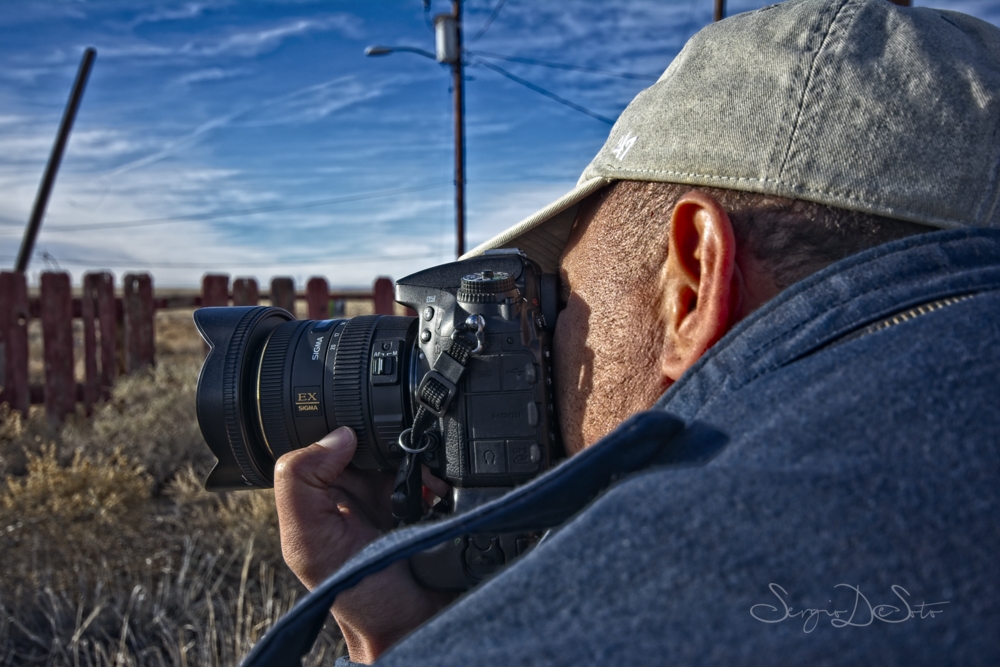
I have a friend in my world — Lamont — who not only shares my heart for helping the homeless but also loves photography. When the two of us load up and head north, it's not a vacation. It's therapy with a lens. These trips are a blessing because I get to ride with my brother, talk about life, and shoot things most people never see — structures and landscapes buried off the beaten path, quietly falling apart with no audience.
This particular trip took us through Northern Arizona. And what we found deserves more than a photo dump. It deserves the story.
We started early. Coffee. Gear. Highway.
The first stretch took us through the Navajo Nation — miles of open land that make you feel appropriately small. There's a silence out there that the city can't replicate. No noise. No notifications. Just the road and whatever's on either side of it.
On the way to Tuba City, we spotted an abandoned hotel set back from the highway. The kind of place that had a story once — guests, a front desk, someone mopping the lobby at 6 a.m. Now it just sits there. Windows gone. Paint surrendered to the sun. We pulled over and spent a while with it. That's the thing about abandoned buildings — they don't rush you.
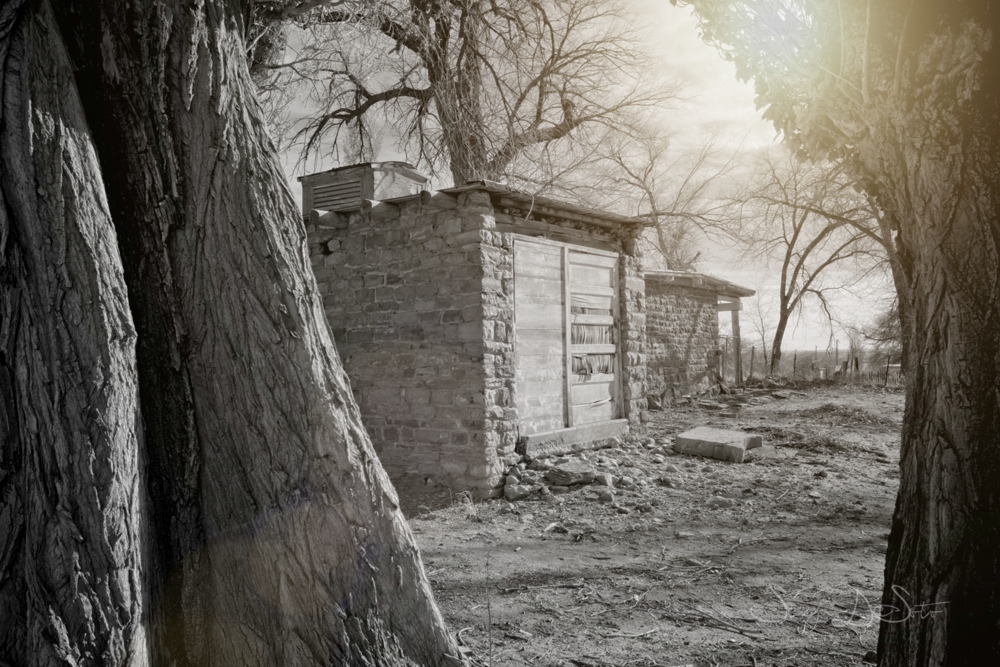
Between Tuba City and Hidden Springs, we found a schoolhouse. Early 1800s. Small. Stone and wood holding on to each other out of habit more than engineering. I stood inside and thought about the kids who sat in there — what they were learning, what they were afraid of, what the world looked like from that window. A building like that doesn't just decay. It holds time.
We pushed south on Highway 89 and the landscape kept giving.
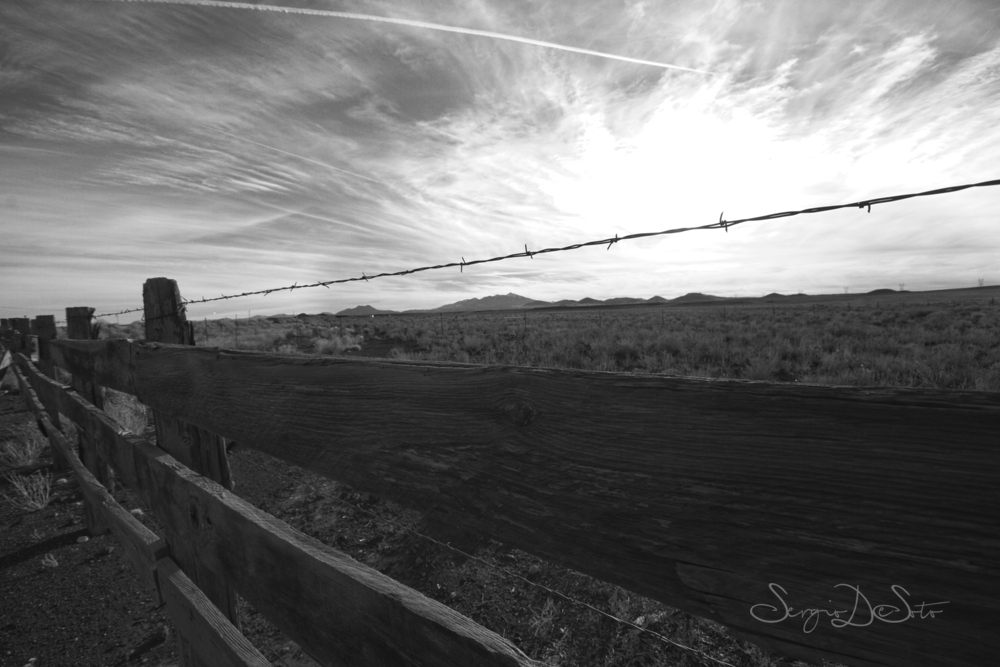
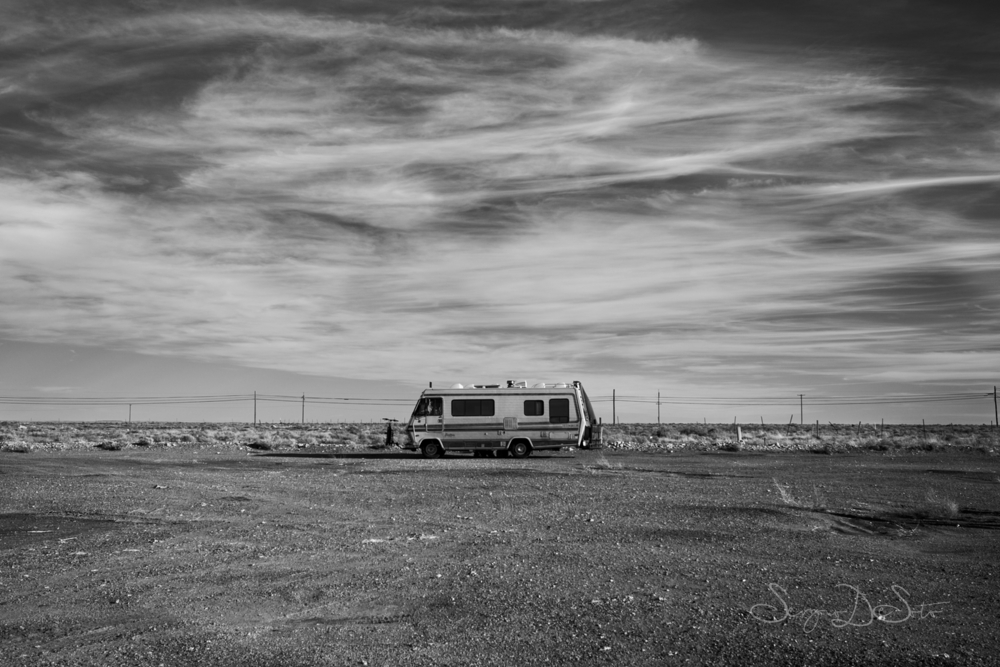
Parked along the shoulder at one point just to breathe it in. The kind of stop where you're not photographing anything specific — you're photographing the feeling of being there. Lamont and I didn't say much. Didn't need to.
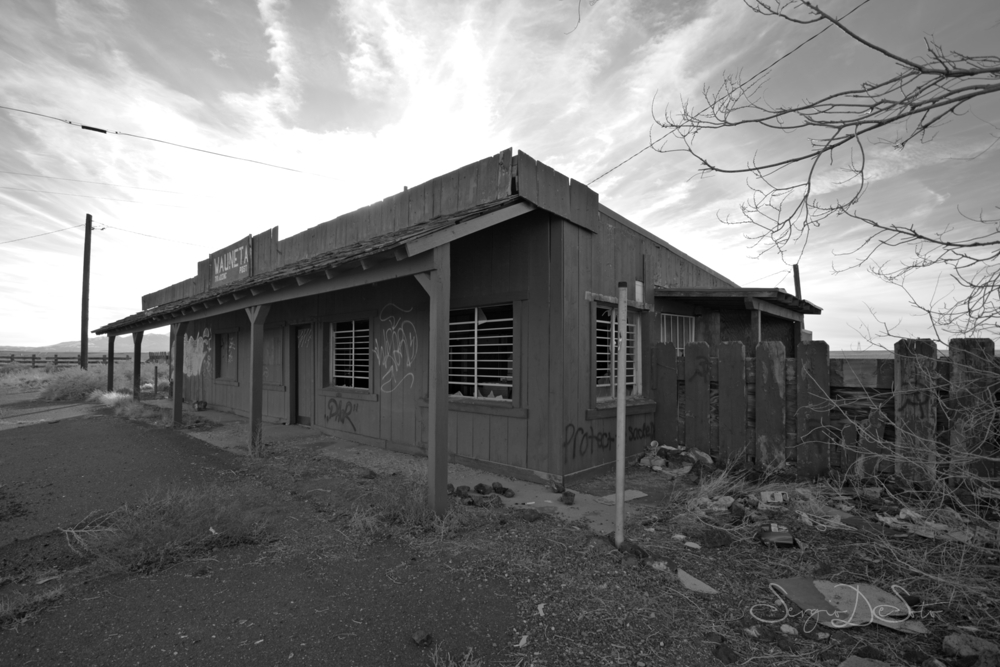
North of Flagstaff, we found an abandoned trading post right off 89. The signage was barely legible. The roof was caving in on one side. But the bones were still proud — you could see what it used to be. Someone built that with intention. Someone opened the doors every morning expecting customers. Now it's a monument to a economy that moved on without it.
On the outer edges of Flagstaff — northeast, out on Route 66 — the finds kept coming.
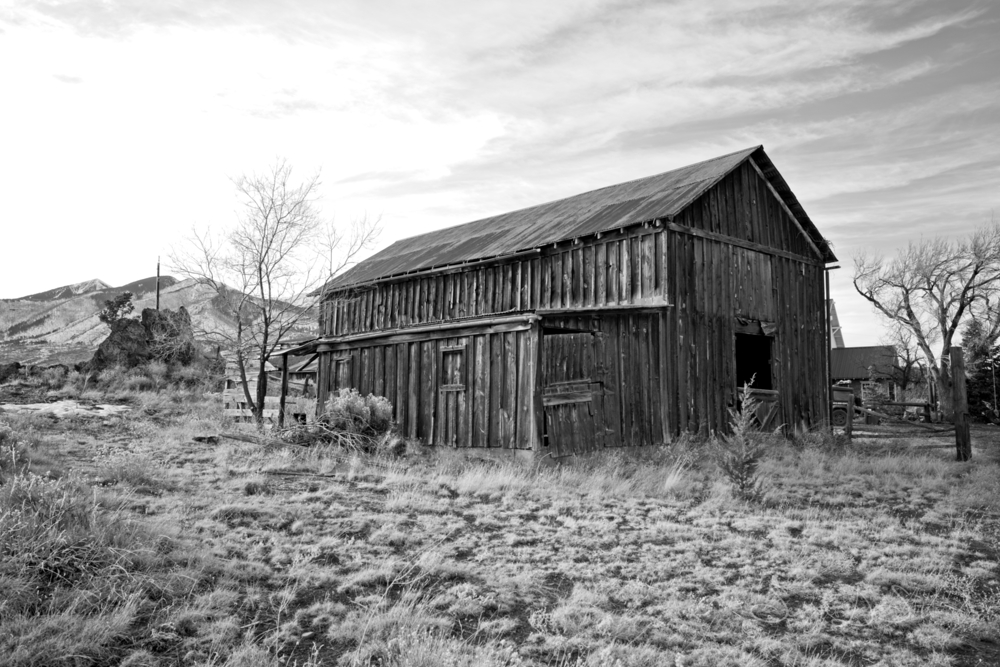
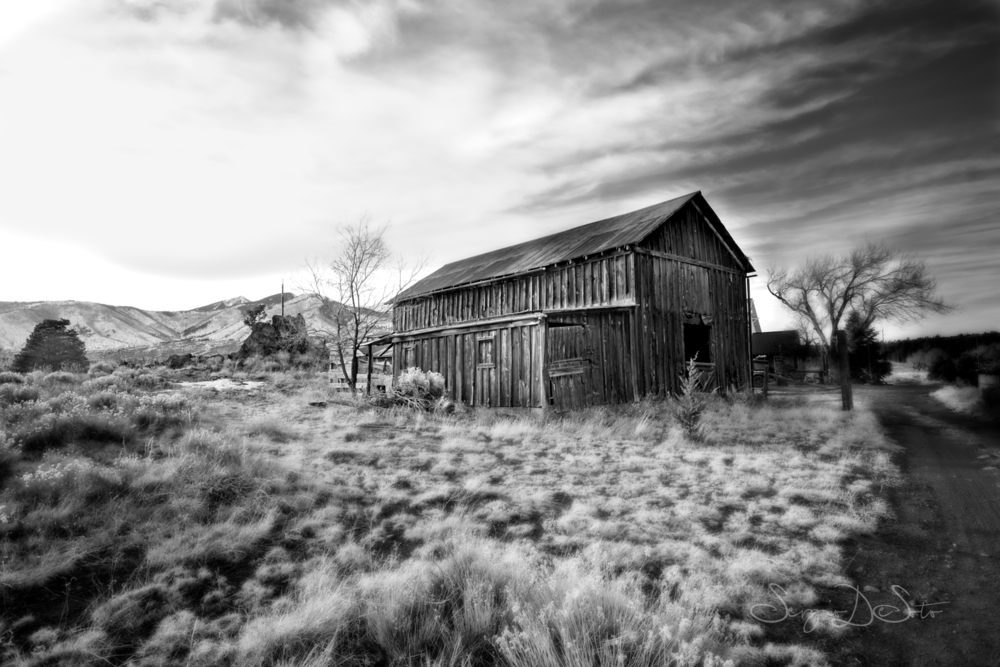
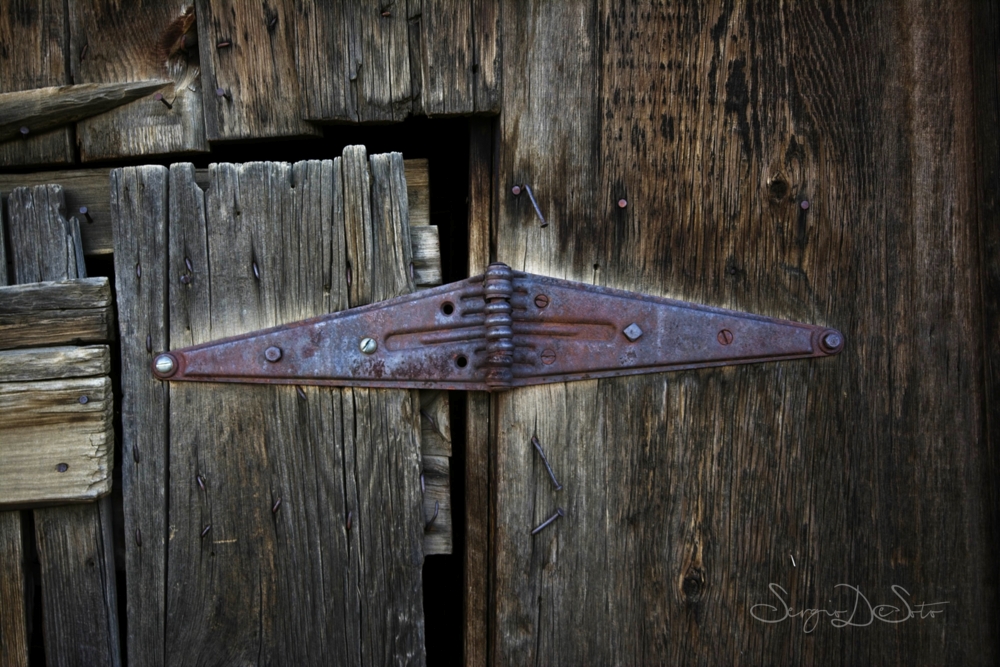
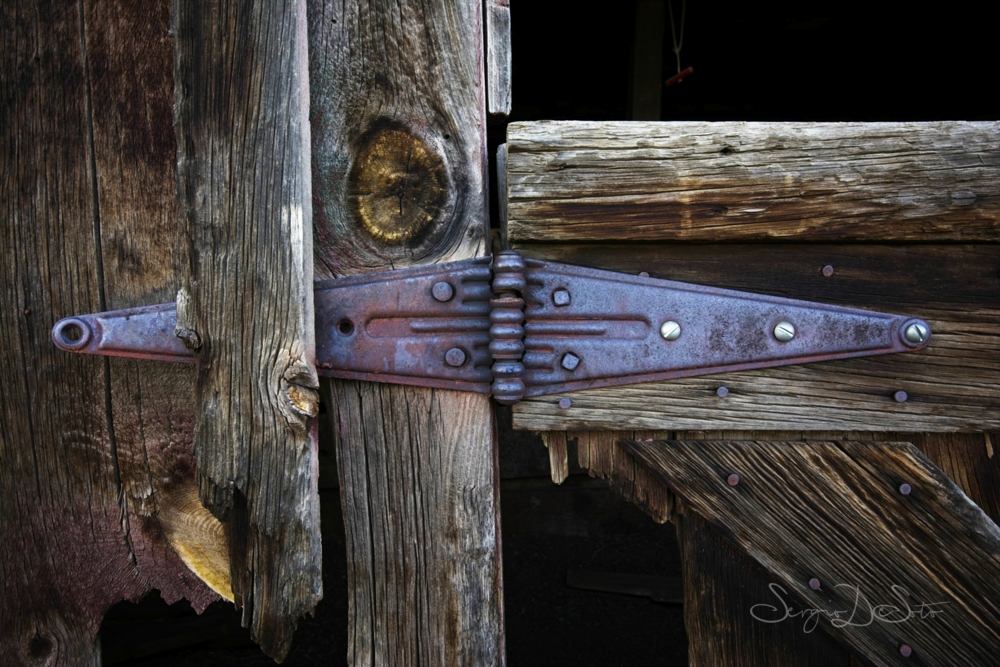
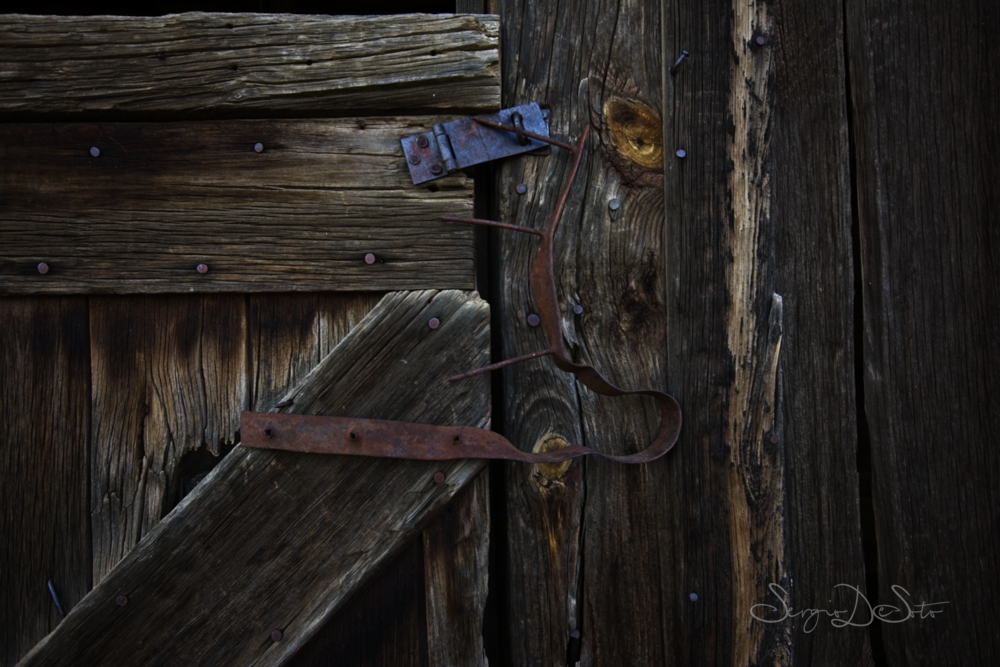
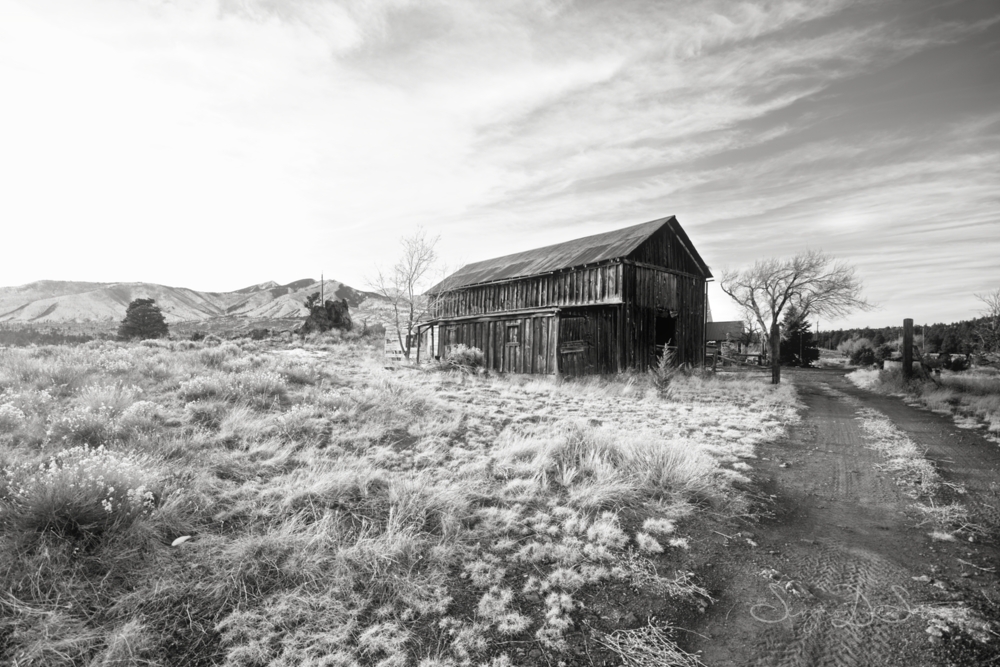
An early 1800s barn. Massive. Weathered to a silver-gray that no stain company could replicate. The barn door alone was worth the stop — the hardware, the lean, the weight of it. I spent more time on that door than most of the other structures combined. There's something about a door that's been opened ten thousand times by hands that are all gone now.
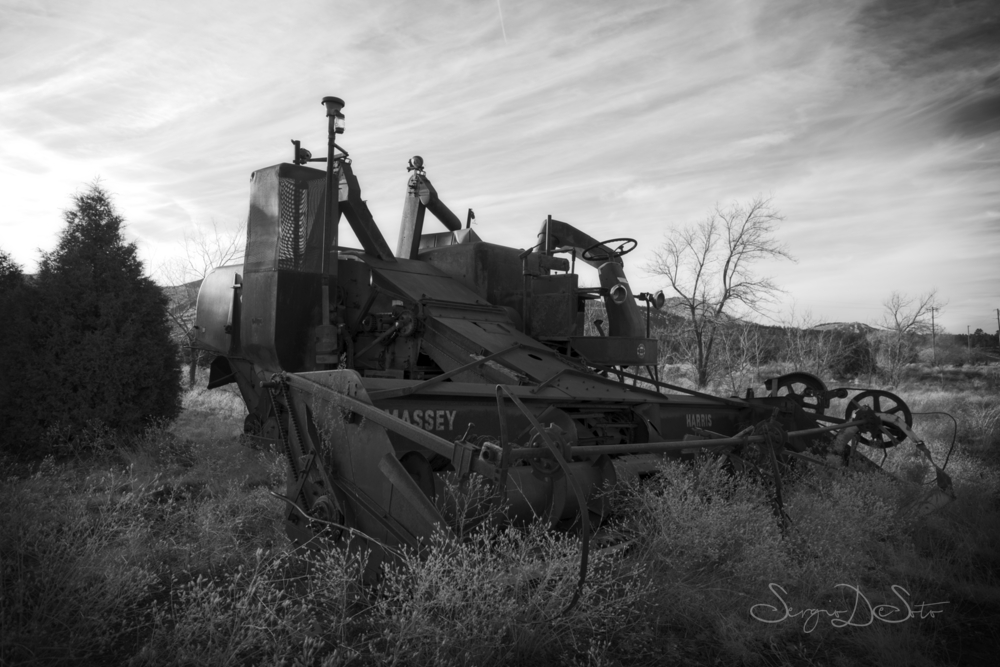
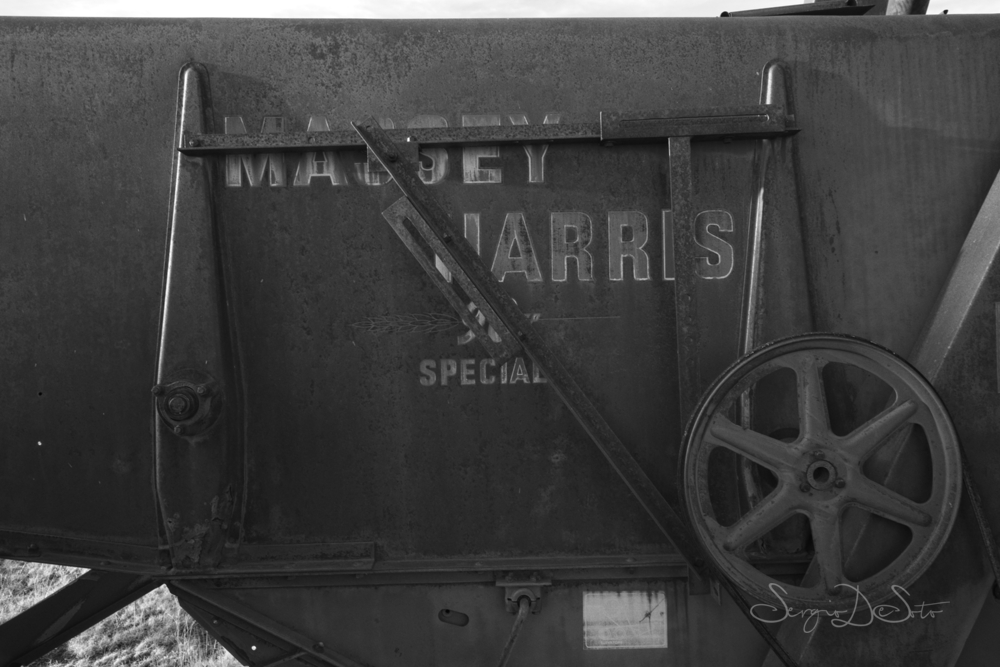
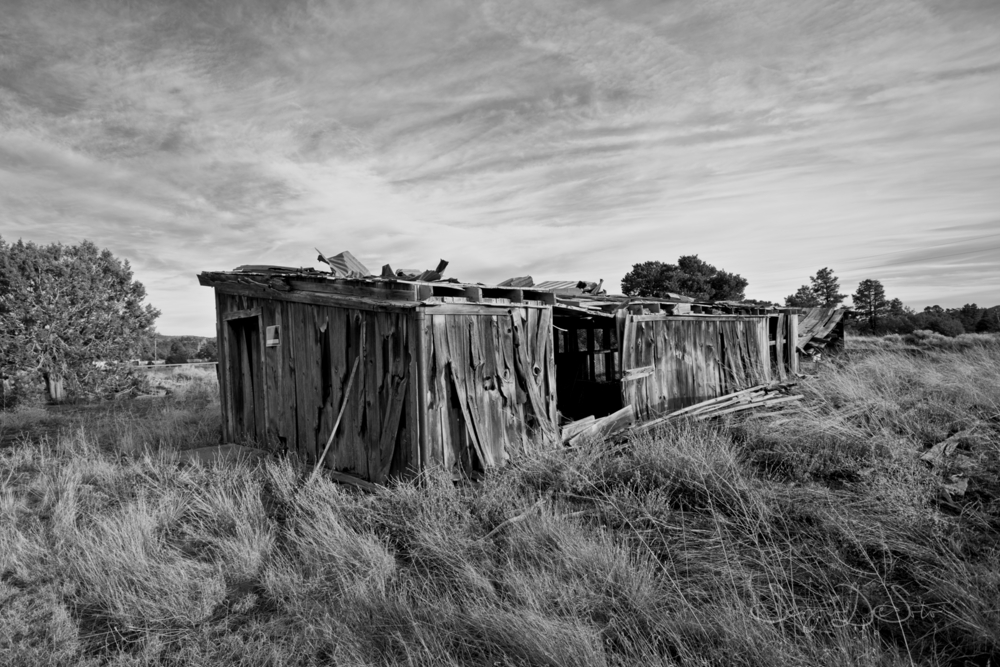
Inside, an old Massey Harris Special — a tractor from another era, parked like someone meant to come back for it and never did. Rust and quiet. Then the old feed barn behind it, leaning but not fallen. Still standing out of sheer stubbornness.
These are the things I chase. Not because they're beautiful in the way people expect beauty. But because they're honest. They don't perform. They don't curate. They just exist — and in their existence, they tell you something about time, about labor, about the people who built things with their hands and then disappeared.
Every print from this trip — and all the others — goes toward helping the less fortunate. That's not a marketing line. That's the mission. Lamont knows it. I know it. And now you do too.
I hope these images move you the way the experience of capturing them moved me.