

B'Chavruta (בְחַבְרוּתָא) — "in partnership." It comes from the ancient Jewish tradition of studying Scripture in pairs: two people at a table, wrestling with the text as equals. No hierarchy. No pulpit. No one up front with all the answers. Just the text, and two people willing to be honest about what it actually says.
That's the theological heart of this site.
A table is not a stage. Nobody performs at a table. You sit down, you bring what you know, you say what you actually think — and the person across from you does the same. Sometimes you leave having changed your mind. Sometimes you leave more convinced than when you arrived. Either way, something real happened.
That's what this is supposed to be.
I built this space around a simple idea: honest conversation, grounded in the text, with no agenda other than getting it right.
That only works if more than one voice shows up.
Two people have earned a seat here. I want you to know who they are.
Jamie Dale-Jensen — Remnant Letters
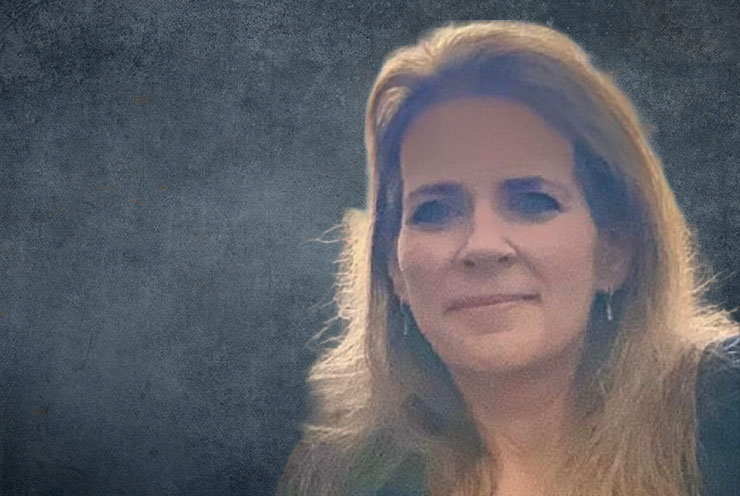
Jamie's byline says it simply: Disciple of Christ, descendant of Levi.
That's not a credential. That's a posture.
When asked how she handles a passage of Scripture that contradicts her current belief, she didn't flinch: "Readjust my belief. I am not the authority. Scripture is."
That's the kind of writer this table needs.
Her background spans marketing, psychoanalysis, linguistics, and sociology — which means she doesn't just read the text, she understands how language shapes what people think they're reading. She writes from a place of covenant faithfulness, not denominational loyalty. She doesn't bow to systems. She follows Yeshua.
Her first piece will dig into tithing — a subject she says has been speaking to her, and one she believes has been deeply distorted. I believe her. Watch for it.
Follow Jamie at remnantletters.substack.com
Dr. Moz Amin — Dr. Moz
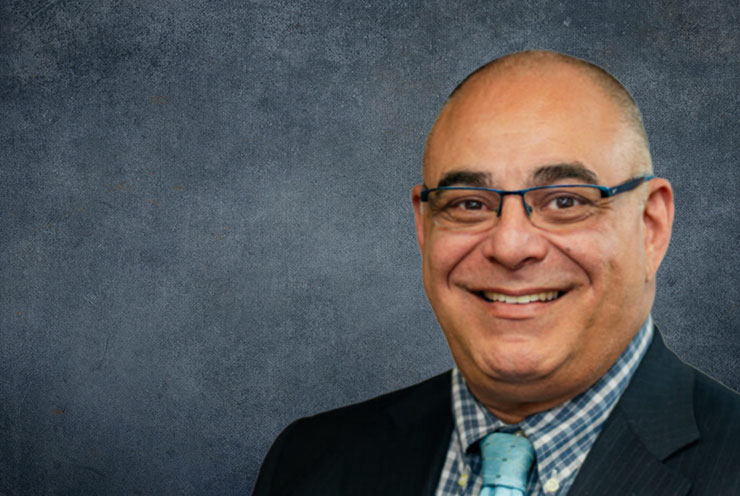
Moz's story is not a testimony you summarize. High school dropout. Lost in the occult. Raised Muslim. At 23, filled with the Ruach ha-Kodesh — and completely remade.
What came after: college, medical school, seminary, pastoral ministry across four campuses, and now — a police badge.
He describes himself as "Pentecostal with a seatbelt." His theological framework is built on the New Covenant rooted in Torah, fulfilled in Messiah, applied with Hebraic context. He's been studying the Jewishness of Scripture for over fifteen years, and his ThD is in progress.
His first piece will tackle the separation between the Church and Israel in modern biblical thought — which he calls one of the most mishandled themes in Christianity today. He's not wrong.
He put it plainly in his application: "It applies today, but it was not written today." That sentence alone qualifies him for this table.
Follow Moz at drmozamin.substack.com
Why This Matters
This isn't about building a platform. It's about sharpening the conversation.
Two voices. Different roads. Same table.
Look for their bylines.
The Table Has Room for More Chairs
But not just any voice gets a seat.
Contributors at sergiodesoto.com reach readers who are done with surface-level theology and ready to engage Scripture with intellectual honesty. Whether you align with our framework or you're here to challenge it, this is a space where the argument matters more than the title.
We welcome four types of contributors:
Aligned Writers — You share our Hebraic-first approach to Scripture. You read the text in its original context, you're not afraid to challenge Western theological assumptions, and you have something to say that the mainstream conversation is missing. This is your home base.
Friendly Opposition — You're a pastor, theologian, or committed believer who holds a traditional or institutional position and wants to defend it — not with slogans, but with Scripture, history, and honest reasoning. We don't need an echo chamber. We need iron. If you can steelman our position before arguing against it, you belong here.
Guest Scholars — You bring academic credentials, specialized expertise, or deep fluency in primary sources — whether that's manuscript traditions, Ancient Near Eastern studies, Second Temple literature, or biblical languages. You make the conversation sharper by raising the evidentiary standard.
Personal Testimony Writers — You have a story that needs to be told. Not a sermon illustration. Not a polished testimony for a church stage. A real account of what happened to you, what it cost, and what it taught you. The kind of story that makes someone else feel less alone.
Every submission is editorially reviewed. Every contributor joins a community built on counterintuitive thinking, honest disagreement, and friendships that often extend well beyond the screen.
If that sounds like your kind of table — Click Here